How to Bake Cake in OTG: Temperature, Settings and Tips
 Blogs
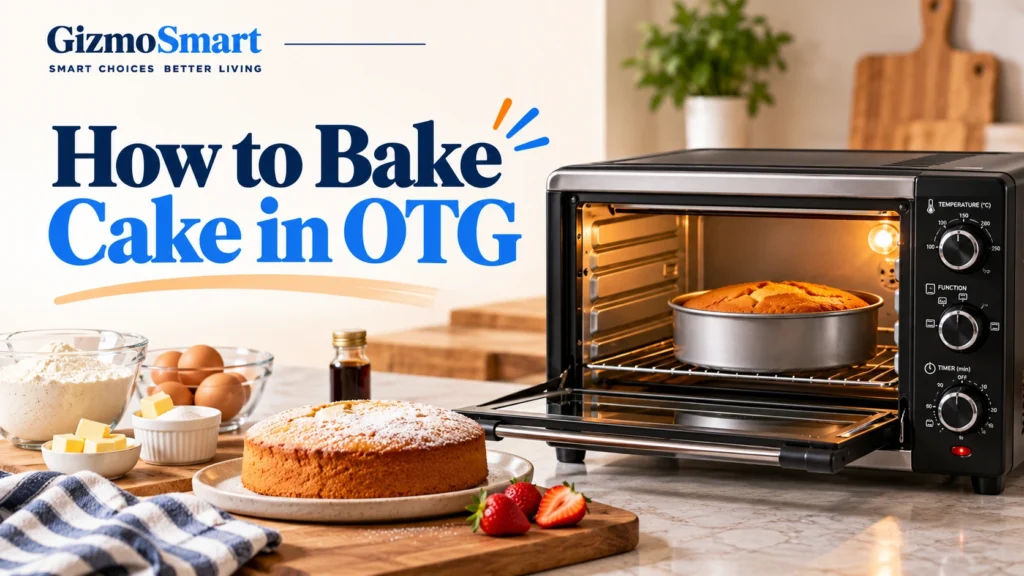
Learning how to bake cake in OTG starts with getting the temperature and heating settings right. If your cake burns on top but stays raw in the middle, doesn’t rise properly, or turns out too dry, the problem may be your temperature setting, heating mode, or rack position rather than the recipe itself.
An OTG uses heating elements to cook food, so preheating the oven and choosing the right temperature are important for even baking. In this guide, you’ll learn which temperature to use, how to set up your OTG, how to avoid common baking mistakes, and what to look for when choosing an OTG for home baking.
1. What Is the Best Temperature for Baking a Cake in an OTG?
For most basic cakes, a temperature of 160°C to 180°C is a useful starting range. However, the ideal temperature depends on the recipe, the size of the cake, the baking tin, and your OTG model. A dense cake may need a different setting from a light sponge cake, so always check the recipe before choosing a temperature.
Setting the temperature too high can cause the outside of the cake to cook faster than the centre. On the other hand, a temperature that is too low may leave the cake undercooked or affect how it rises. If you’re following a recipe for the first time, start with its recommended temperature and monitor the cake as it bakes.
Here are some general temperature ranges for common baked foods:
| Food | General temperature range |
|---|---|
| Cakes | 160°C–180°C |
| Cupcakes | 170°C–180°C |
| Cookies | 160°C–180°C |
| Bread | 180°C–200°C |
| Pizza | 200°C–230°C |
These ranges are general guidelines, not fixed rules. Follow the recipe and your OTG’s instruction manual whenever they specify different settings.
2. How to Bake a Cake in an OTG Step by Step
Once your cake batter is ready, setting up the OTG correctly can help you get more consistent results. Follow these steps before and during baking.
1. Prepare the cake batter and baking tin. Mix the ingredients according to your recipe and prepare a suitable baking tin. Grease the tin with butter or oil, or line it with baking paper if the recipe recommends it. Avoid filling the tin to the top because the batter needs room to rise.
2. Preheat the OTG. Switch on the OTG and set it to the temperature mentioned in your recipe. Allow it to preheat according to the manufacturer’s instructions. Putting the cake into a cold oven can affect its rise and baking time, so don’t skip this step. Preheating the oven properly can help you achieve more consistent baking results. For additional guidance on oven temperature and cake baking, refer to this Cake Baking Guide by King Arthur Baking.
3. Select the correct heating mode. For most conventional cake recipes, use the upper and lower heating elements if your OTG provides this setting. This helps distribute heat around the cake during baking. Check your appliance manual if you’re unsure which controls operate the heating elements.
4. Place the cake tin on the middle rack. The middle rack is usually a good starting position because it keeps the cake away from the strongest direct heat at the top or bottom. Make sure the tin has enough space around it for heat to circulate, and avoid placing it directly against a heating element.
5. Set the timer and let the cake bake. Follow the baking time in your recipe, but remember that actual timing can vary by oven and tin size. Avoid opening the door repeatedly, especially during the early stages of baking, because sudden temperature changes can affect the cake’s rise.
6. Check whether the cake is done. Near the end of the recommended baking time, insert a clean toothpick or skewer into the centre of the cake. If it comes out clean or with a few dry crumbs, the cake is generally ready. If wet batter sticks to it, continue baking and check again after a short interval.
7. Let the cake cool before removing it. Once baked, carefully remove the tin using oven mitts and let the cake rest according to your recipe. Allowing it to cool properly helps the cake hold its shape when you take it out of the tin.
3. Which Heating Mode Should You Use for Cake Baking?
Many OTGs have separate controls for the upper heating element, lower heating element, or both. Choosing the correct mode is important because each element affects how heat reaches the cake.
For most conventional cake recipes, using both the upper and lower heating elements is a sensible starting point, provided your OTG manual and recipe recommend it. This allows the cake to cook more evenly without relying entirely on direct heat from one side.
Here is what the different modes generally do:
- Upper heating element: Provides heat from above. Using it alone may cause the top of a cake to brown before the centre is fully cooked.
- Lower heating element: Provides heat from below. Depending on the appliance, using it alone may leave the top less cooked or browned.
- Upper and lower heating elements together: Commonly used for conventional baking, including many cake recipes.
- Convection mode, if available: A fan circulates hot air around the oven. Baking time and temperature may differ from conventional settings, so follow your recipe and appliance instructions.
Not every OTG has the same controls or heating options. If your appliance has symbols instead of written labels, consult its manual rather than relying on the appearance of the symbols alone.
4. Why Is My Cake Not Baking Properly in an OTG?
If your cake doesn’t turn out as expected, check the oven settings and baking process before changing the recipe completely. Small mistakes in temperature, preheating, rack placement, or ingredient measurement can affect the final result.
Common problems and how to fix them:
- Cake is raw in the middle: It may need more baking time, or the temperature may be too high, causing the outside to cook before the centre. Check the centre with a skewer and adjust the temperature or time based on the recipe.
- Cake becomes dry: It may have been baked for too long, the temperature may have been too high, or the ingredient proportions may be incorrect. Measure ingredients carefully and begin checking for doneness near the end of the recommended baking time.
- Cake doesn’t rise properly: Check the freshness of the baking powder or baking soda, measure the ingredients accurately, and preheat the OTG before putting the cake inside. Avoid opening the door repeatedly while the cake is rising.
- Cake browns unevenly: The tin may be too close to a heating element, or the oven may distribute heat unevenly. Try the middle rack and leave space around the tin.
- Cake sticks to the tin: Grease the tin properly or use baking paper where appropriate. Let the cake cool as directed by the recipe before removing it.
Before making several changes at once, identify the most likely cause and adjust one thing at a time. This makes it easier to understand what works with your particular OTG.
6. Why Does My Cake Burn on Top but Stay Raw Inside?
A cake that burns on top while remaining uncooked in the centre is often a sign that the outside is heating too quickly. This can happen when the temperature is too high, the tin is too close to the upper heating element, or the cake needs a longer baking period at a more suitable temperature.
To improve the result, check the following:
- Use the recipe’s recommended temperature. Don’t increase the temperature simply to make the cake bake faster.
- Position the tin on the middle rack. This helps keep it away from direct heat from the top or bottom.
- Check the heating mode. For conventional cake recipes, both heating elements are often suitable, depending on your OTG and recipe.
- Allow enough baking time. A cake may need more time at the correct temperature rather than a higher temperature for a shorter period.
- Avoid opening the door too frequently. Check the cake near the end of the recommended baking time instead of repeatedly interrupting the baking process.
If the top is already browning too quickly, check your recipe and OTG manual for the appropriate adjustment. Don’t cover the cake with foil unless you’re comfortable doing so safely and can keep it away from the heating elements.
7. Should You Bake a Cake at a Lower Temperature?
A lower temperature can help in some situations, particularly when the outside of the cake is cooking much faster than the centre. However, reducing the temperature is not always the right solution. If the temperature is too low, the cake may take longer to bake and may not develop the texture you expect.
If your cake repeatedly burns on top while remaining raw inside, first confirm that your OTG is preheated correctly, the rack is positioned appropriately, and the recipe’s temperature and heating mode are suitable for your appliance. If the problem continues, try a small temperature adjustment while allowing additional baking time, and check the cake for doneness rather than relying only on the timer.
For a new recipe, it’s best to follow the specified temperature first. Once you understand how your OTG behaves, you can make small adjustments based on your results.
8. What to Look for When Buying an OTG for Baking
If you bake cakes regularly, the features of your OTG can make the process easier and more consistent. You don’t necessarily need the largest or most expensive model; choose one that suits your baking habits, kitchen space, and budget.
Consider these features before buying:
- Capacity: Choose a capacity that fits the size of your usual baking tins and the quantity you prepare. A larger family or frequent batch baking may require more space than occasional small cakes.
- Temperature control: Look for clear, adjustable temperature settings so you can follow recipes accurately.
- Heating modes: Check which upper and lower heating settings are available and whether the appliance supports the type of baking you plan to do.
- Timer: A timer can help you track baking time, although you should still check whether the cake is actually done.
- Accessories: Check whether the OTG includes a suitable wire rack, baking tray, and other accessories you’ll use regularly.
- Cleaning and maintenance: Removable trays and an interior that’s easy to clean can make regular baking less troublesome.
- Warranty and service: Check the warranty terms and availability of service in your area before making a decision.
Compare these features with your actual needs instead of choosing an OTG based only on its capacity or advertised functions. If you mainly bake cakes and cookies, temperature control, suitable heating modes, and usable interior space may matter more than features you rarely use.
9. Tips for Getting Better Baking Results in an OTG
Even when you follow a recipe, a few consistent habits can help improve your results. Start by measuring ingredients accurately, because adding too much flour or using the wrong amount of raising agent can affect the cake’s texture and rise.
Preheat the OTG as instructed, use a suitable baking tin, and place it on the middle rack unless your recipe recommends another position. Avoid opening the oven door repeatedly, and don’t assume that the timer alone tells you when the cake is ready. Use a toothpick or skewer to check the centre near the end of the recommended baking time.
It’s also useful to keep a note of the temperature, heating mode, rack position, and baking time that worked well for a particular recipe. Since OTGs can behave differently, recording successful settings can help you repeat the same result the next time you bake.
10. Frequently Asked Questions
1. What is the best temperature to bake a cake in an OTG?
For many basic cakes, 160°C to 180°C is a useful starting range. The exact temperature depends on the recipe, cake size, tin, and OTG model, so follow the recipe whenever it specifies a setting.
2. Should I preheat my OTG before baking a cake?
Yes, most cake recipes require a preheated oven. Preheating helps the cake begin baking at the intended temperature and can support a more consistent rise.
3. Which rack is best for baking a cake in an OTG?
The middle rack is usually a good starting position because it keeps the cake away from direct heat from either the upper or lower element. Follow the recipe if it recommends a different position.
4. Should I use both heating elements for baking a cake?
For many conventional cake recipes, both the upper and lower heating elements are suitable. However, settings vary by appliance, so check your OTG manual and the recipe instructions.
5. Why is my cake still raw in the middle?
The cake may need more time, or the oven temperature may be too high, causing the outside to cook before the centre. Check the centre with a skewer and make sure you’re using the correct temperature, heating mode, and rack position.
Conclusion
Learning how to bake cake in OTG becomes easier when you understand the relationship between temperature, heating mode, preheating, and rack position. Start with the settings recommended by your recipe, use the middle rack as a general starting point, and check the cake for doneness rather than relying only on the timer. If your cake burns on top or remains raw in the centre, review the temperature and heating mode before making changes to the ingredients.