What Is Star Rating in Fridge? Does It Really Save Electricity?
 Blogs
When buying a refrigerator, most people compare the price, capacity, design, and cooling features. But what is star rating in fridge, and how much difference can it actually make to your electricity bill? A 3-star and a 5-star refrigerator may look similar, but their energy consumption can differ. Understanding the rating helps you compare models more effectively and estimate the cost of running your refrigerator over time.
However, choosing a refrigerator with more stars does not automatically mean it is the best option for every household. The final decision also depends on the refrigerator’s capacity, purchase price, usage, and annual electricity consumption. Here is how refrigerator star ratings work and what you should check before buying.
1. What Is Star Rating in Fridge?
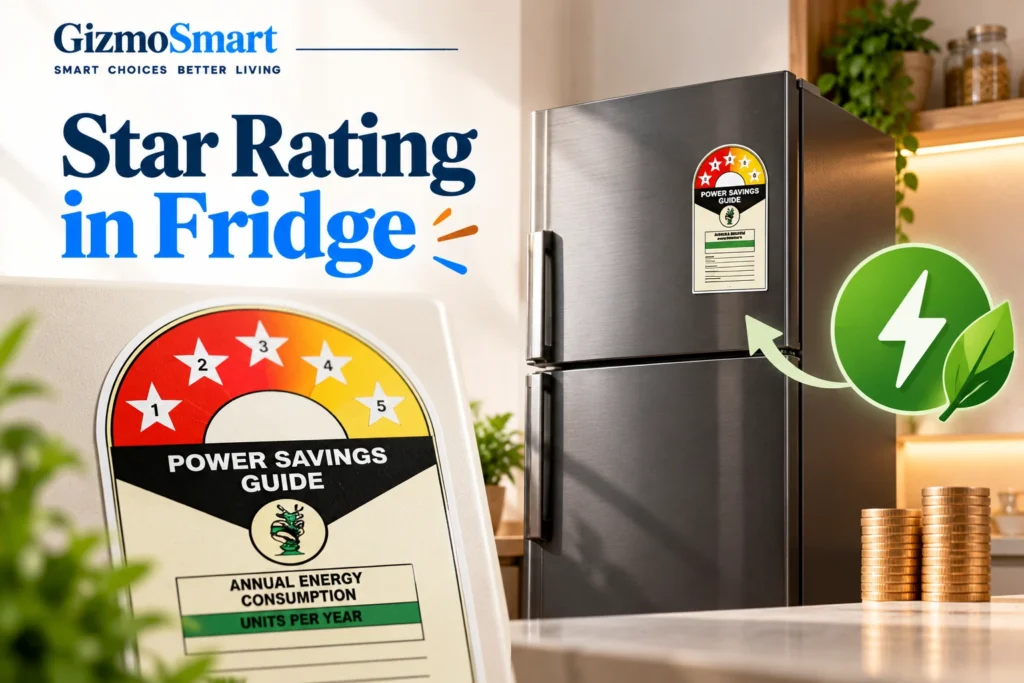
A refrigerator’s star rating indicates its energy efficiency under the standards established by the Bureau of Energy Efficiency (BEE) in India. The rating system helps consumers compare the energy performance of similar appliances before making a purchase.
The scale ranges from 1 star to 5 stars, with 5-star models generally being more energy-efficient within the applicable rating category. A refrigerator with a higher star rating is designed to consume less electricity under the prescribed testing conditions than a comparable lower-rated model.
According to the Bureau of Energy Efficiency’s official information on star-labelled appliances, energy labels help consumers compare energy consumption and consider running costs when purchasing appliances.
It is important to remember that the rating is not the only number worth checking. The refrigerator’s annual electricity consumption, shown in units per year on its energy label, gives you a more useful starting point for estimating its running cost.
2. How Does a BEE Star Rating Refrigerator Label Work?
When comparing refrigerators, you will usually find an energy label that displays the BEE rating and other product details. These details can help you understand how much electricity a particular model is expected to consume.
Here is what you should look for on the label:
- Star rating: Shows the refrigerator’s energy-efficiency level under the applicable BEE standards.
- Annual energy consumption: Indicates the estimated electricity consumption in units per year under specified testing conditions.
- Model details: Help you identify the exact refrigerator you are comparing.
- Capacity: Helps you compare models of a similar size rather than judging energy efficiency by the star rating alone.
Annual energy consumption is particularly useful because electricity is billed in units, where one unit generally equals one kilowatt-hour (kWh). If one refrigerator is rated at 190 units per year and another at 250 units per year, the difference is 60 units annually under the stated estimates.
For the most accurate comparison, check the label on the exact model you intend to purchase. You can also consult the official BEE website for information about its standards and labelling programme.
3. Does a 5-Star Refrigerator Actually Reduce Your Electricity Bill?
Yes, a more energy-efficient refrigerator can reduce electricity consumption, but the amount you save depends on the models being compared and your actual usage.
For example, consider two refrigerators with similar capacities:
| Comparison | 3-Star Refrigerator | 5-Star Refrigerator |
|---|---|---|
| Illustrative annual electricity consumption | 250 units | 190 units |
| Electricity cost at ₹8 per unit | ₹2,000 | ₹1,520 |
| Estimated annual electricity cost | ₹2,000 | ₹1,520 |
Note: These figures are illustrative examples, not actual consumption figures for specific refrigerator models. Always use the annual consumption printed on each model’s energy label.
In this example, the 5-star refrigerator consumes 60 fewer units annually. At an electricity rate of ₹8 per unit, that translates into an estimated saving of ₹480 per year.
The actual difference could be higher or lower depending on the refrigerator models, their capacity, your electricity tariff, and how they are used. This is why checking the annual energy consumption is more useful than relying on the star rating alone.
4. Why Your Refrigerator’s Star Rating Doesn’t Predict Your Actual Electricity Bill
The star rating provides a useful comparison, but it cannot tell you exactly what your monthly electricity bill will be. Your refrigerator’s electricity consumption depends on several factors beyond its energy label.
1. Refrigerator capacity
A larger refrigerator may consume more electricity than a smaller model because it has more space to cool. However, capacity alone does not determine efficiency. Compare the annual energy consumption of models with similar capacities to make a fair comparison.
2. How often you open the door
Every time you open the refrigerator door, warmer air enters the compartments. The refrigerator then needs to remove that heat to maintain the required temperature. Frequently opening the door or leaving it open for long periods can increase energy use.
3. Room temperature and placement
A refrigerator placed near an oven, in direct sunlight, or in a particularly hot area may need to work harder to maintain its internal temperature. Leaving sufficient space around the appliance, as recommended by the manufacturer, can help it operate properly.
4. Temperature settings and food storage
Setting the temperature colder than necessary may increase electricity consumption. Overloading the refrigerator or blocking internal air vents can also interfere with proper cooling. Follow the manufacturer’s recommendations for temperature settings and food storage.
5. Maintenance and door seals
Dirty condenser areas, where applicable, and damaged or loose door seals can affect performance. Regular cleaning and checking that the door closes properly can help prevent unnecessary energy use.
These factors explain why two households using similar refrigerators may see different electricity costs. A star rating is a useful guide to energy efficiency, but your daily habits and the conditions in your kitchen also matter.
5. How to Compare Refrigerator Electricity Consumption Before Buying
When choosing a refrigerator, compare the actual electricity consumption figures instead of assuming that every 5-star model will cost less to run than every 3-star model.
Use this simple process:
- Compare similar capacities: Start with refrigerators that offer approximately the same storage capacity and configuration.
- Check annual energy consumption: Find the units-per-year figure on each model’s energy label.
- Check the purchase price: Note how much extra you would pay for the more energy-efficient option.
- Calculate estimated annual running costs: Multiply annual consumption in units by your electricity rate.
- Estimate the payback period: Work out how many years of electricity savings would be needed to recover the extra purchase cost.
Knowing what is star rating in fridge helps you compare energy efficiency alongside annual electricity consumption, capacity, and purchase price. These factors together give you a clearer picture of a refrigerator’s long-term running costs.
If you are still deciding which refrigerator suits your household, read our guide on which fridge is best in India and how to choose the right one. It can help you consider factors such as capacity, features, and your household’s requirements alongside energy efficiency.
6. Is a 5-Star Refrigerator Worth the Extra Price?
A 5-star refrigerator may be worth paying more for if its electricity savings are meaningful over the period you expect to use it. However, the decision should be based on the difference in purchase price and the expected reduction in running costs.
Consider this illustrative example:
- Extra cost of the 5-star model: ₹3,000
- Estimated annual electricity saving: ₹600
- Estimated payback period: 5 years
In this example, the additional purchase cost would be recovered through electricity savings in approximately five years, assuming the estimated savings remain consistent.
The calculation is straightforward:
Payback period = Extra purchase cost ÷ Estimated annual electricity savings
Using the example above:
₹3,000 ÷ ₹600 = 5 years
These figures are only for illustration. Use the actual price difference and annual energy consumption of the refrigerators you are considering to calculate your own payback period.
If the more efficient model costs significantly more but offers only a small reduction in annual electricity consumption, the savings may take a long time to recover the additional cost. On the other hand, if the difference in consumption is substantial and you plan to keep the refrigerator for many years, paying extra may make sense.
7. Refrigerator Buying Checklist: What to Check Beyond the Star Rating
Before making your final decision, check these points to make sure the refrigerator suits both your needs and your budget.
- Capacity: Choose a size that suits the number of people in your household and your food-storage habits.
- Star rating: Compare the energy-efficiency labels of similar models.
- Annual electricity consumption: Use the units-per-year figure to estimate running costs.
- Purchase price: Consider whether the upfront cost fits your budget.
- Cooling requirements: Decide whether you need a direct-cool or frost-free refrigerator.
- Useful features: Check whether features such as adjustable shelves, convertible compartments, or special storage zones are genuinely useful to you.
- Warranty and service: Review the warranty terms and availability of authorised service in your area.
- Installation and placement: Make sure you have enough space for proper installation and ventilation according to the manufacturer’s instructions.
A refrigerator should fit your household’s needs first. A high star rating is valuable, but it should be considered alongside capacity, features, reliability, and total ownership cost.
8. Frequently Asked Questions
What Is Star Rating in Fridge and Why Does It Matter?
The star rating indicates a refrigerator’s energy-efficiency level under the applicable BEE standards. It helps you compare similar models and understand which may consume less electricity. You should also check annual energy consumption to estimate running costs more accurately.
Is a 5-Star Refrigerator Always Better Than a 3-Star Refrigerator?
Not necessarily. A 5-star refrigerator is generally more energy-efficient within the applicable rating category, but the best choice depends on its price, capacity, features, and annual electricity consumption. Compare the energy labels and purchase prices of the exact models before deciding.
How Can I Calculate My Refrigerator’s Electricity Bill?
Check the refrigerator’s annual energy consumption on its label and multiply it by your electricity rate.
For example, if the refrigerator consumes 200 units per year and your electricity rate is ₹8 per unit:
200 × ₹8 = ₹1,600 per year.
This is an estimate based on the label’s annual consumption figure. Actual consumption may vary with usage, room temperature, settings, and other conditions.
Does a Higher Star Rating Mean Lower Electricity Consumption?
A higher star rating generally indicates better energy efficiency within the applicable category and rating period. However, the actual consumption difference depends on the models being compared. Checking annual energy consumption is the best way to compare their estimated electricity use.
Should I Buy a Bigger Refrigerator With a Lower Star Rating or a Smaller 5-Star Model?
Choose a refrigerator that offers enough storage for your household without unnecessary capacity. Then compare the annual electricity consumption of models that meet your needs. A smaller model may use less electricity overall, but the right choice depends on capacity requirements, efficiency, price, and features.
Final Thoughts
A refrigerator’s star rating is a helpful starting point when comparing energy efficiency, but it should not be the only factor in your buying decision. Understanding what is star rating in fridge helps you interpret the BEE label and compare the annual electricity consumption of different models.
Before buying, compare refrigerators with similar capacities, calculate their estimated running costs, and consider whether the price difference is justified by the expected savings. Also pay attention to how you use and maintain your refrigerator, since everyday habits can influence its actual electricity consumption.
The goal is not simply to buy the refrigerator with the most stars. It is to choose a model that meets your household’s needs, fits your budget, and offers a sensible balance between purchase price and long-term running costs.